

ℹ️ Affiliate Disclosure: This article contains affiliate links. We may earn a commission if you make a purchase through these links, at no additional cost to you.
How to Use Reading Nook Ideas for Small Spaces
Creating a quiet little corner to escape into your favorite book is one of the simplest ways to make a home feel more inviting. And the best part? You don’t need a spare room, a large library, or an expensive renovation to make it happen.
These cozy reading nook ideas for small spaces prove that even the tiniest corners can become beautiful, comfortable retreats. Whether you live in a studio apartment, have an awkward bedroom corner, or want to make better use of an empty wall, there’s a reading nook solution for nearly every home.

A great reading nook combines comfortable seating, practical lighting, a convenient place for books, and a few soft textures. With the right arrangement, even an overlooked corner can become your favorite place to unwind.
Let’s explore 15 inspiring ways to create a reading space you’ll actually want to use.
1. Create a Cozy Window Seat Reading Nook
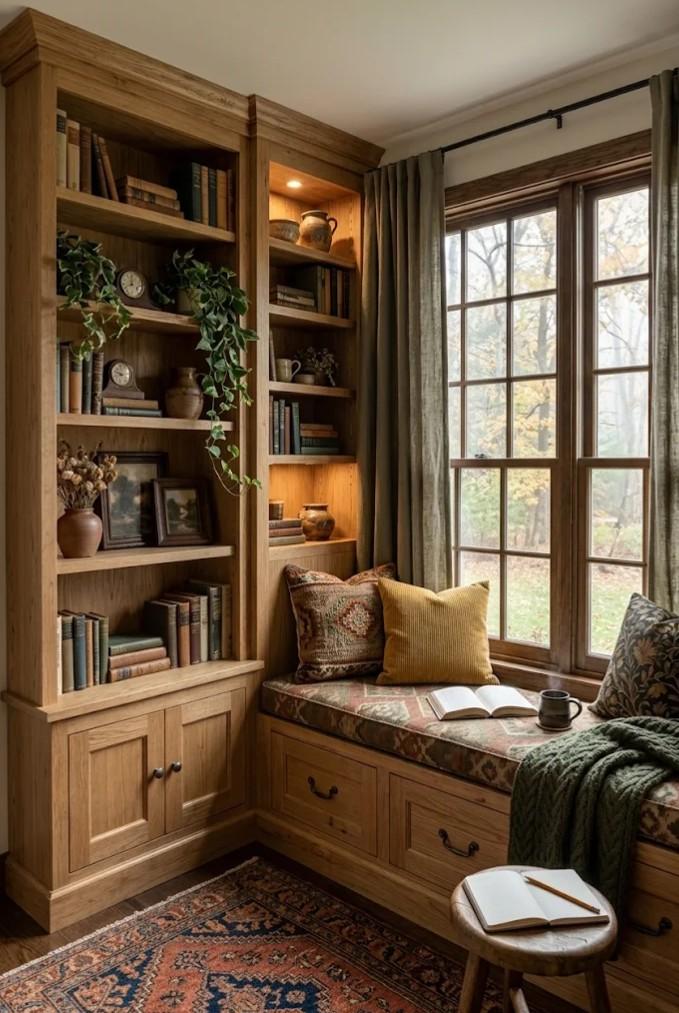
A window seat is one of the most charming ways to create a cozy reading nook in a small space.
Natural light makes the area feel open and inviting, while the view outside provides a relaxing backdrop for your reading sessions.
If you already have a deep, sturdy window bench, add a comfortable cushion, soft throw pillows, and a lightweight blanket.
For extra functionality, consider a bench with hidden storage underneath. It’s a convenient place to keep books, blankets, and other essentials without cluttering the room.
Styling tip: Choose neutral cushions in cream, beige, or oatmeal, then introduce subtle color with sage green or dusty blue accent pillows.
Make sure the window seat is designed to support a person’s weight before using it as seating.


2. Turn an Empty Bedroom Corner Into a Reading Retreat
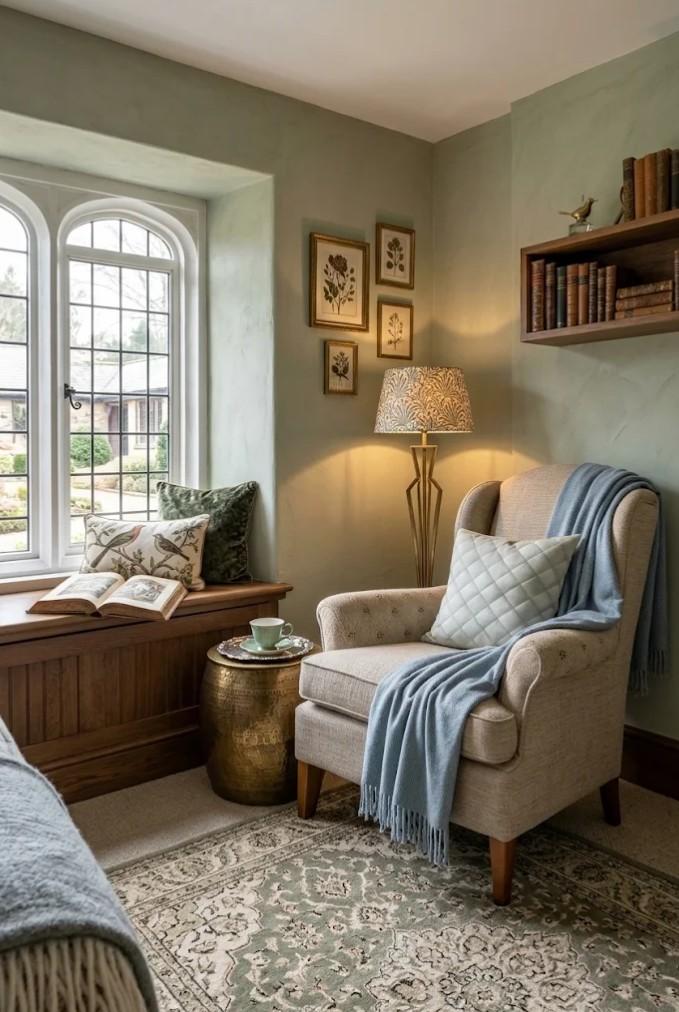
An unused bedroom corner can become a peaceful reading area without making the room feel crowded.
Start with a compact upholstered armchair that complements your existing bedroom furniture.
Add a slim floor lamp beside the chair and a small round side table for your current book or a cup of tea.
For a softer look, place a textured rug underneath the seating area and drape a knitted blanket over the chair.
This arrangement creates a separate relaxation zone while maintaining the bedroom’s calm atmosphere.
Small-space tip: Choose a chair with exposed legs to keep more of the floor visible and create an airy appearance.
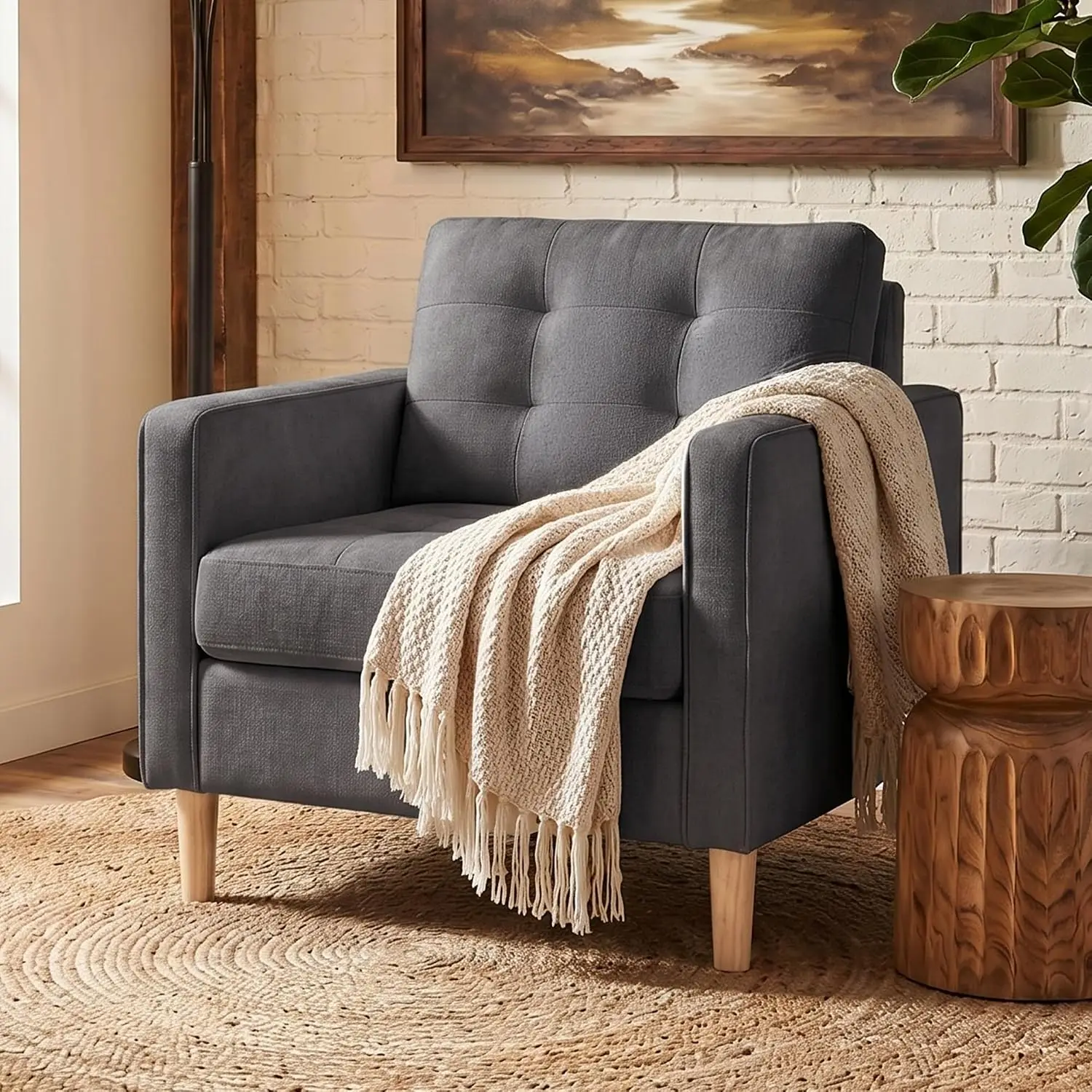
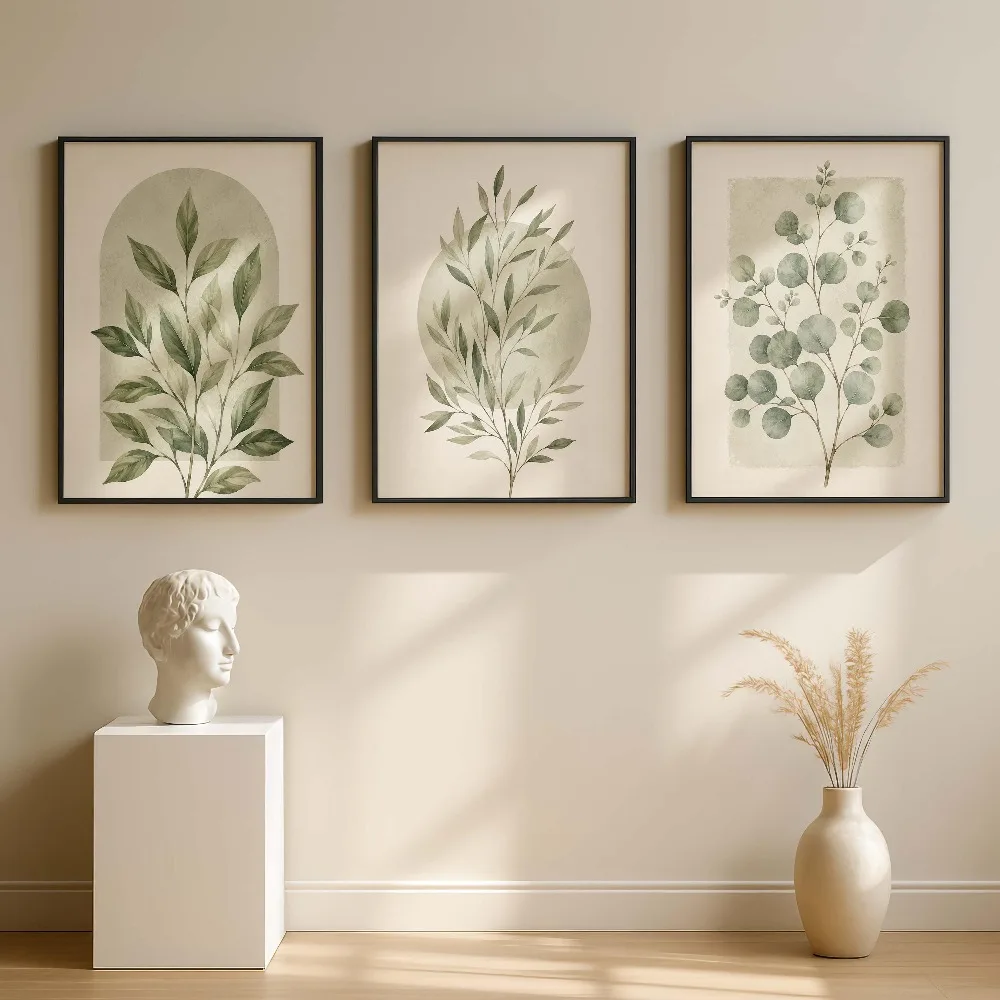
3. Design a Minimalist Reading Nook With a Floor Cushion
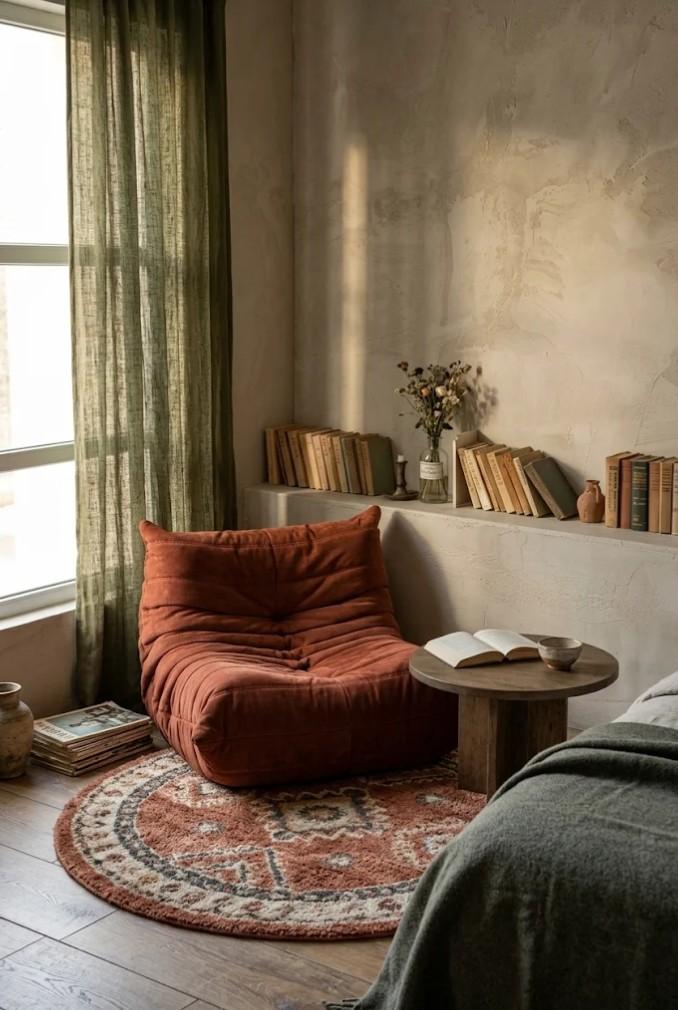
Not every reading nook needs a traditional chair.
A floor cushion setup is an excellent option for small apartments, dorm rooms, or spaces where adding another piece of furniture isn’t practical.
Choose a thick, supportive floor cushion or foldable floor chair and pair it with a soft area rug.
Add a few pillows for back support and place a low bookshelf or storage basket nearby.
This approach works particularly well in minimalist, Japanese-inspired, or bohemian interiors.
Styling tip: Combine natural cotton, linen, and warm wood tones to create a calming atmosphere without overwhelming the space.
If floor seating is uncomfortable for your knees or back, choose an elevated chair instead.
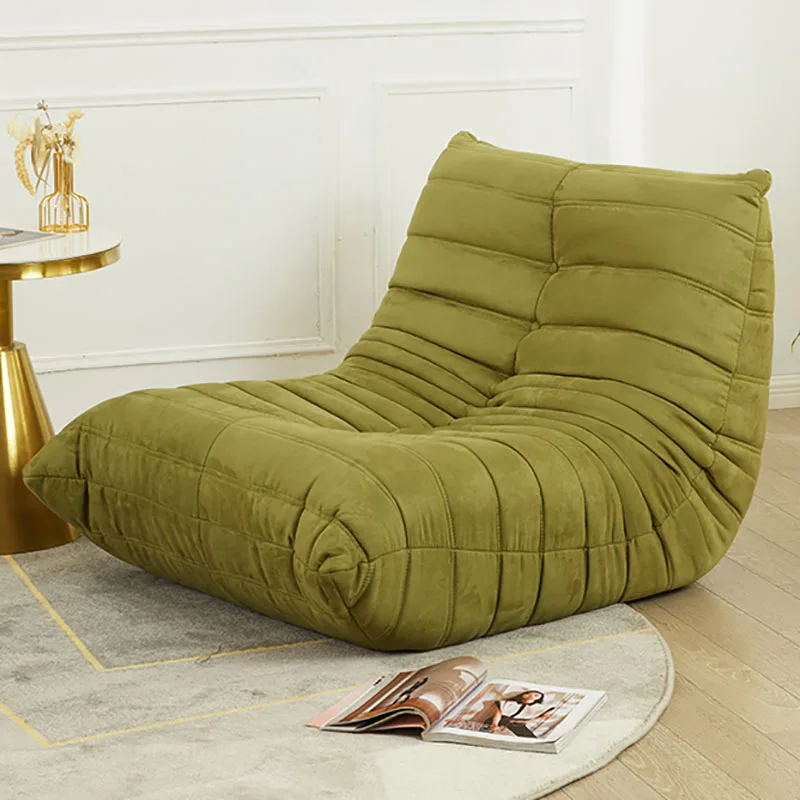
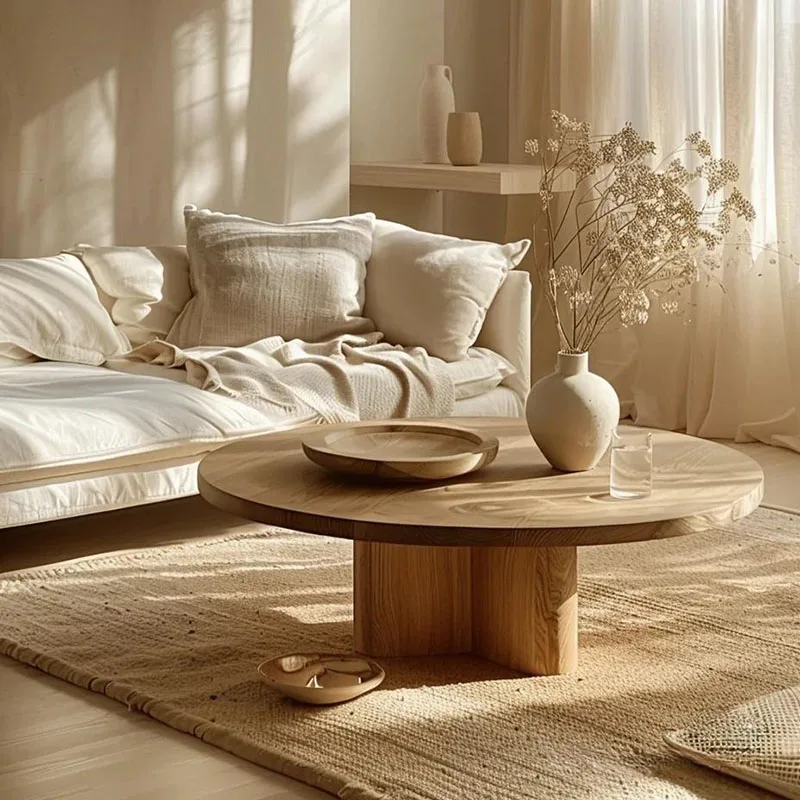
4. Add a Reading Nook Beside a Bookshelf
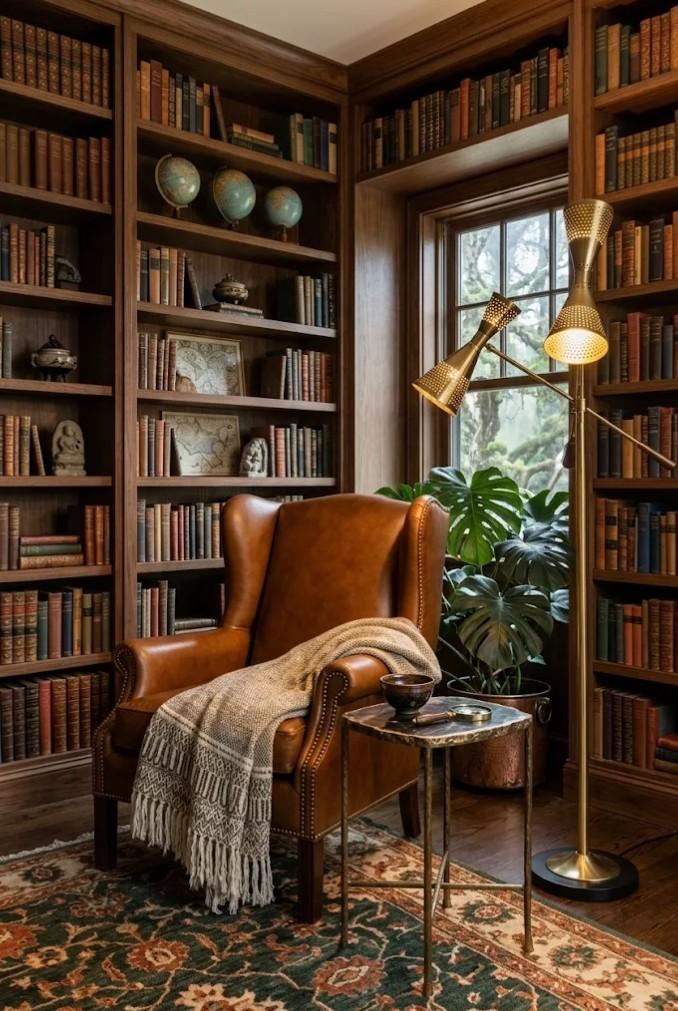
For book lovers, creating a cozy reading corner beside a bookshelf feels especially natural.
A tall, narrow bookcase can provide plenty of storage without occupying much floor space.
Position a small armchair next to it, add a reading lamp, and keep a few favorite books within easy reach.
If you have a built-in bookshelf, consider creating a seating area directly beside it to make the entire corner feel thoughtfully designed.
Use matching baskets or decorative boxes on the lower shelves to hide smaller items.
Design idea: Try a warm wooden bookshelf, an ivory upholstered chair, and a brass floor lamp for a timeless library-inspired look.
Secure tall bookshelves properly to prevent tipping.
5. Transform a Small Closet Into a Hidden Reading Nook
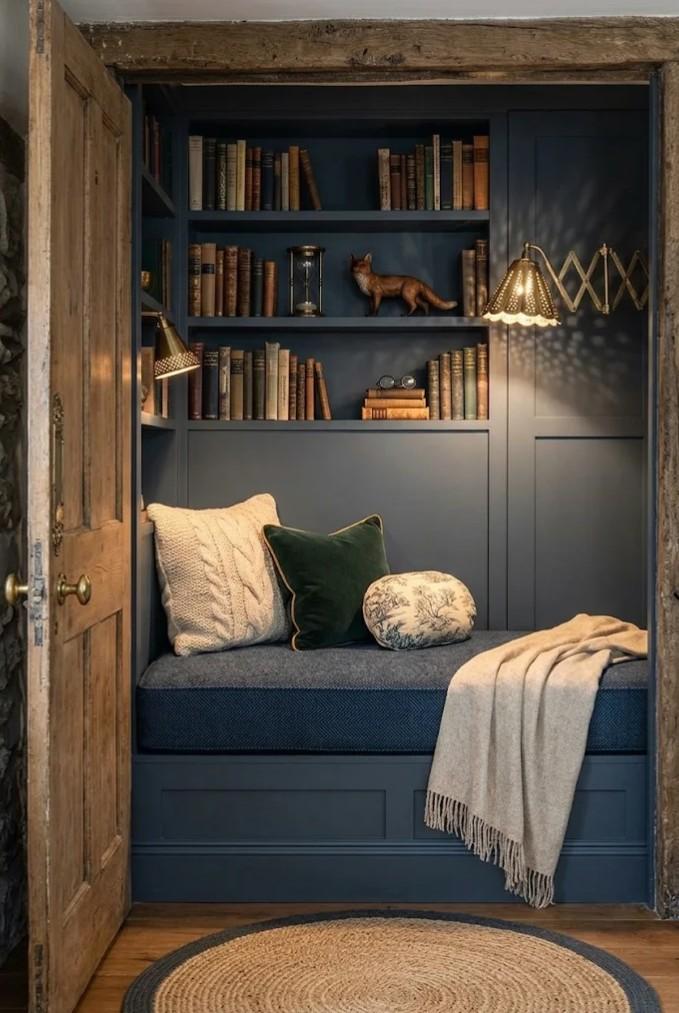
An underused closet can become one of the most delightful reading spaces in your home.
Remove unnecessary shelving and, if appropriate, install a sturdy built-in bench or a compact chair.
Use the remaining wall space for shallow book ledges or decorative shelves.
Add removable wallpaper, a soft cushion, and a plug-in wall light to make the nook feel intentional.
A curtain can create a cozy sense of separation while allowing you to open the space whenever you like.
This idea is particularly useful in bedrooms, guest rooms, and apartments with extra closet space.
Important: Maintain ventilation, keep exits unobstructed, and avoid electrical alterations unless they are carried out safely.

6. Style a Small Living Room Reading Corner
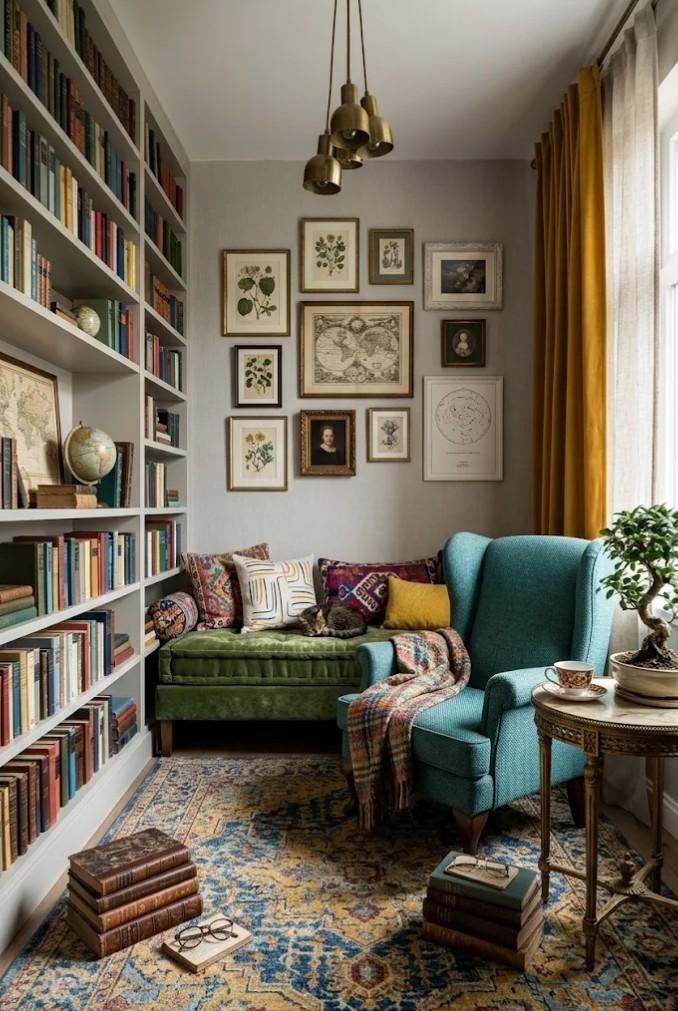
You don’t need to rearrange your entire living room to create a separate reading space.
Look for an unused corner beside the sofa, near a window, or along a quiet wall.
A compact accent chair and a narrow side table can define the area without interfering with your living room layout.
Choose furniture that coordinates with your existing decor so the reading nook feels connected to the room.
A small rug can visually separate the corner from the main seating area.
Styling tip: Repeat one or two colors from your living room pillows or curtains to make the reading nook blend seamlessly with the rest of the space.
7. Build a Cozy Reading Nook Under the Stairs
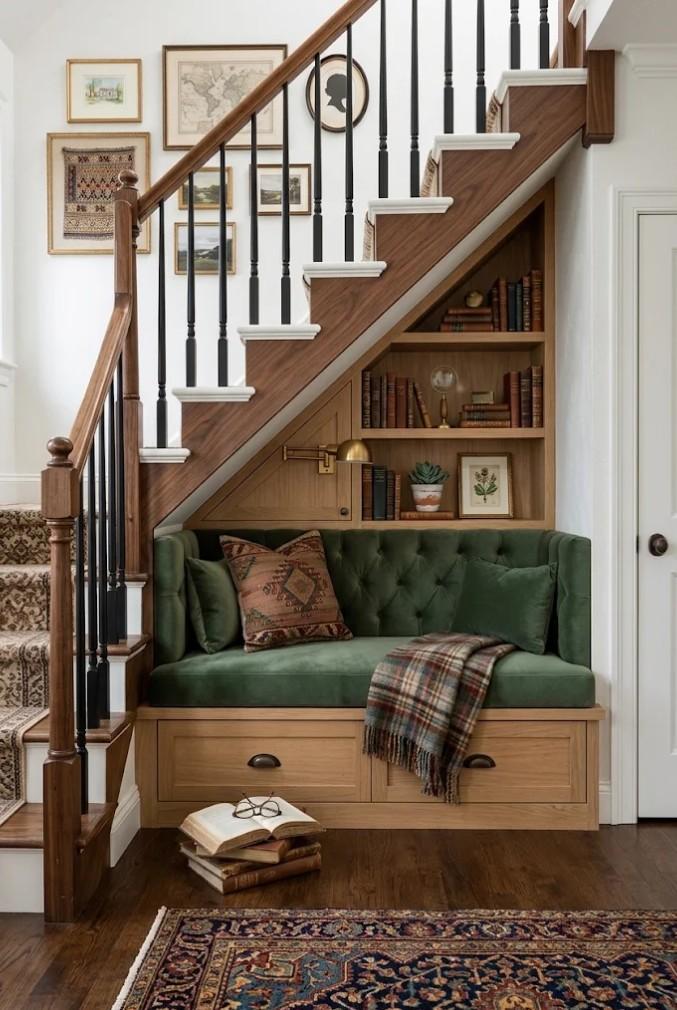
The space beneath a staircase is often overlooked, yet it can provide a wonderfully private reading retreat.
Depending on the available dimensions, you could add a cushioned bench, a compact chair, or a small collection of supportive floor pillows.
Wall-mounted bookshelves make excellent use of vertical space.
For an inviting atmosphere, incorporate warm lighting and soft textiles.
You can also paint the interior walls a contrasting color to give the nook a distinctive look.
Design idea: Combine muted olive green walls with a natural wood bench and cream cushions for a sophisticated cottage-inspired reading corner.
Before building, check headroom, ventilation, electrical safety, and the staircase structure.
8. Create a Scandinavian-Inspired Reading Nook
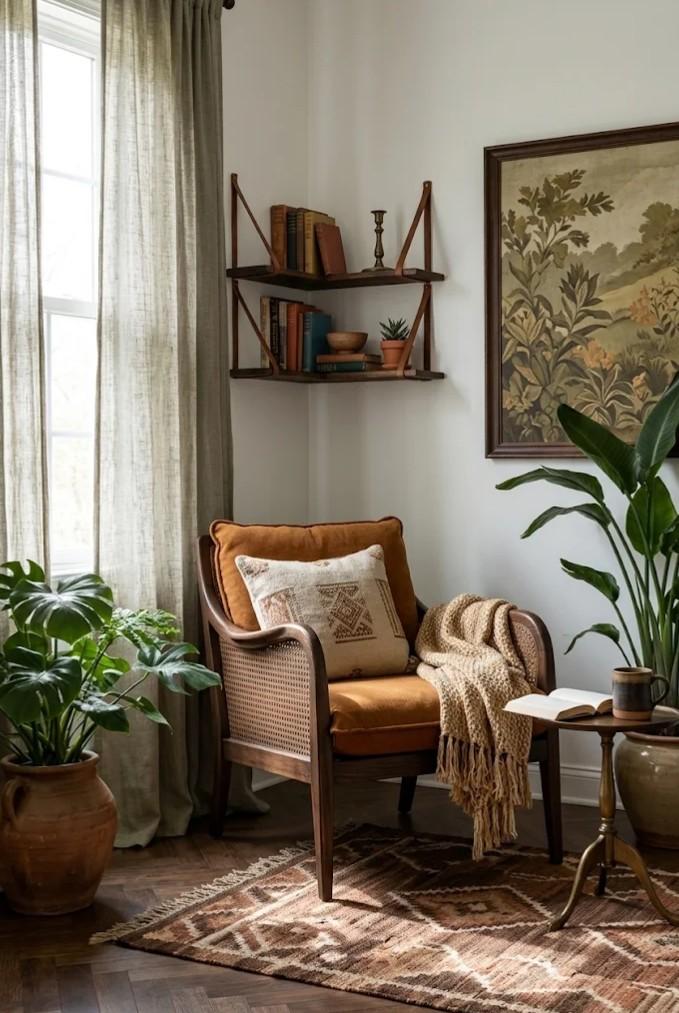
Scandinavian interiors are ideal for small reading spaces because they emphasize simplicity, comfort, and natural materials.
Start with a light-colored chair in white, cream, or soft gray.
Add a pale wood side table, a warm reading lamp, and a textured wool or cotton blanket.
Keep the surrounding decor minimal to maintain a clean, uncluttered appearance.
A small plant or framed artwork can add personality without making the corner feel busy.
Styling tip: Use a palette of warm white, natural oak, and muted sage green for a cozy yet contemporary look.
9. Add a Boho Reading Corner With Layered Textures
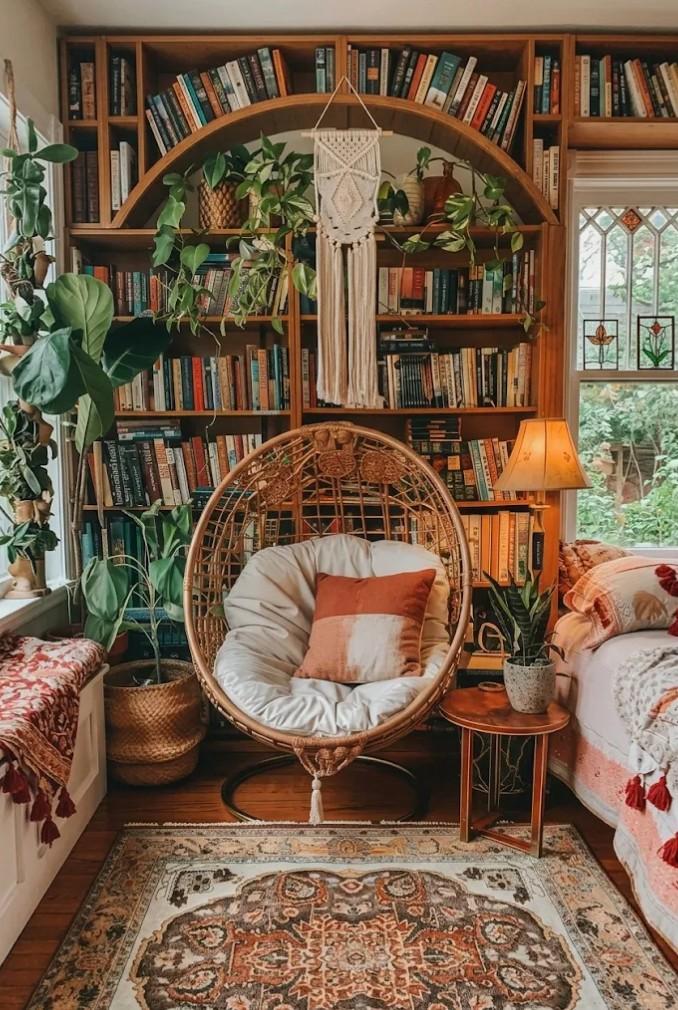
If you love relaxed, eclectic interiors, a bohemian reading nook can be a beautiful addition to your home.
Choose a compact rattan chair or a comfortable upholstered seat with natural textures.
Layer patterned pillows, a soft throw blanket, and a small woven rug.
Decorate the wall with a simple piece of macrame or framed botanical artwork.
A wicker basket beside the chair provides convenient book storage while enhancing the organic look.
Design idea: Mix terracotta, cream, caramel, and sage green for a warm boho-inspired color palette.
Keep decorative accessories limited so your reading space stays functional rather than crowded.
10. Use a Storage Bench for a Space-Saving Reading Nook
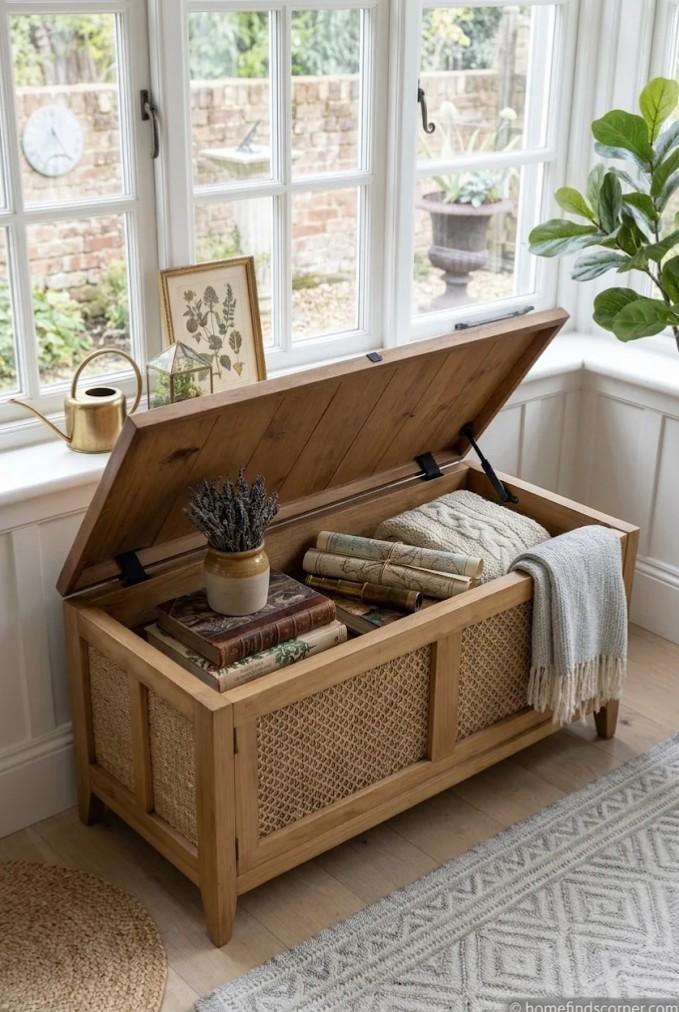
A storage bench is one of the most practical furniture choices for small reading nooks.
It provides seating and concealed storage in a single piece, making it especially useful in apartments and compact bedrooms.
Position the bench beneath a window or against an empty wall.
Add a comfortable seat cushion and a few supportive pillows.
Store extra blankets, books, or seasonal accessories inside the bench to keep everything organized.
Small-space tip: Look for a bench with a comfortable seat height and easy-to-open storage compartments.
Choose a bench rated for seating, not a lightweight storage chest intended only for holding objects.
11. Design a Moody Reading Nook With Dark Colors
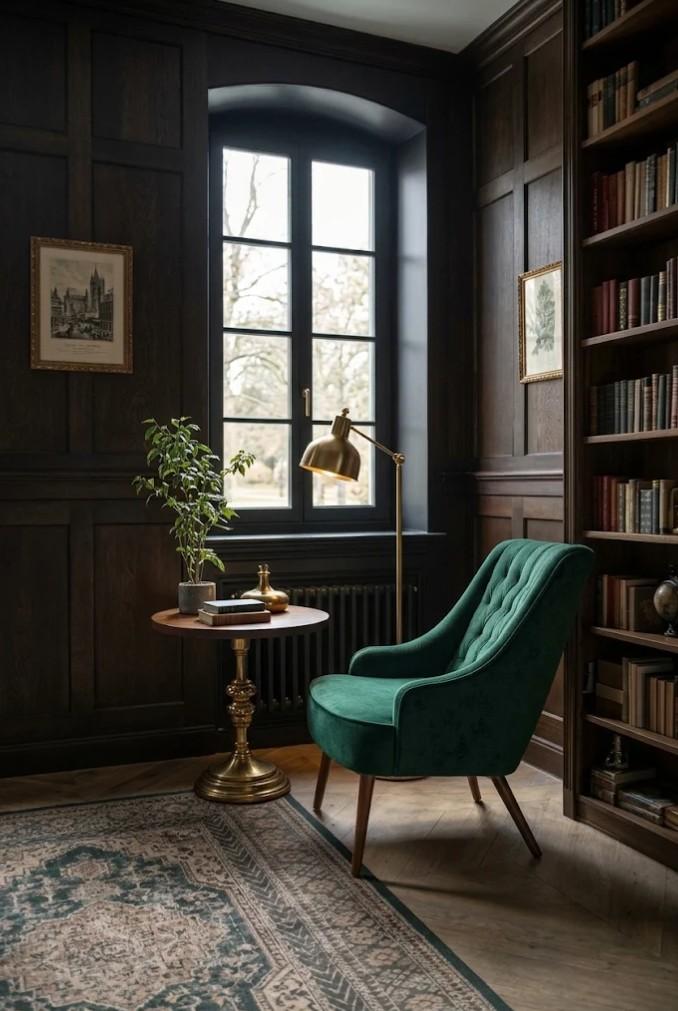
Dark colors can make a reading nook feel intimate and sophisticated, even when the surrounding room is small.
Try deep forest green, charcoal, navy blue, or chocolate brown on an accent wall.
Pair the darker backdrop with a comfortable chair in camel, rust, cream, or warm gray.
Add a brass or matte black reading lamp to provide focused lighting.
A few wooden accessories and textured fabrics will help balance the deeper colors.
Styling tip: Keep the rest of the room lighter to create contrast, or embrace a fully moody look with layered lighting.
The goal is to make the corner feel cozy rather than dim or difficult to read in.
12. Create a Tiny Reading Nook Behind the Sofa
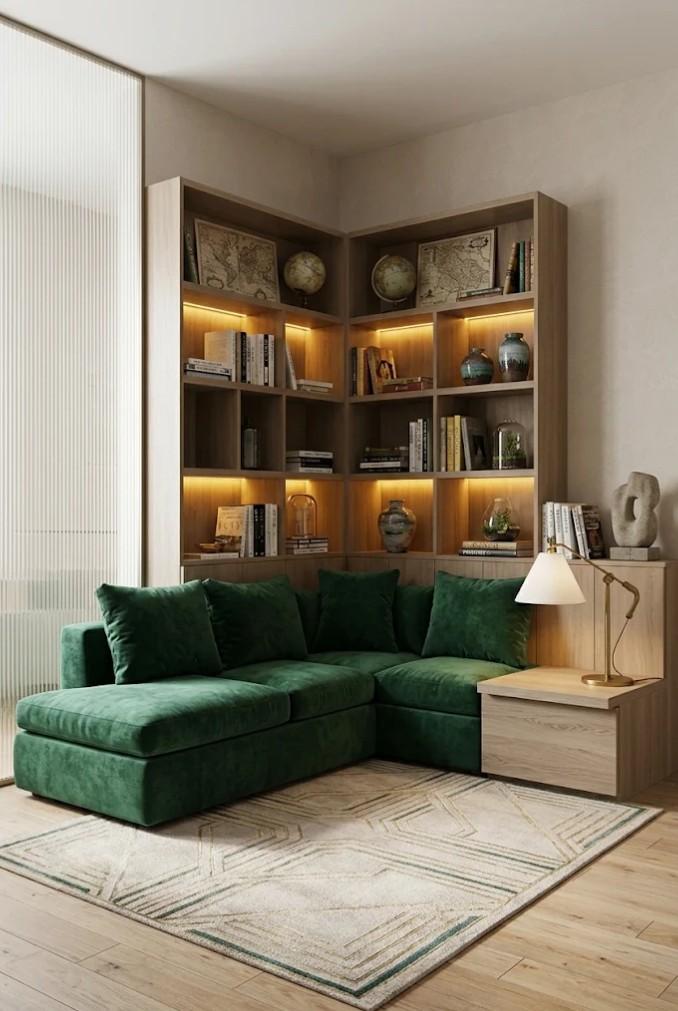
In a small living room, the space behind or beside a sofa can sometimes accommodate a clever reading setup.
Position a slim chair where it won’t interfere with walkways.
Alternatively, use a small upholstered bench against the wall if a full-sized armchair won’t fit.
A wall-mounted reading light eliminates the need for a bulky floor lamp.
Install a shallow floating shelf for books and decorative accents.
This arrangement creates a second seating area without requiring a separate room.
Design idea: Use a narrow upholstered chair, a warm wall sconce, and a single floating shelf for an elegant, space-saving reading nook.
13. Add a Vintage-Inspired Reading Chair
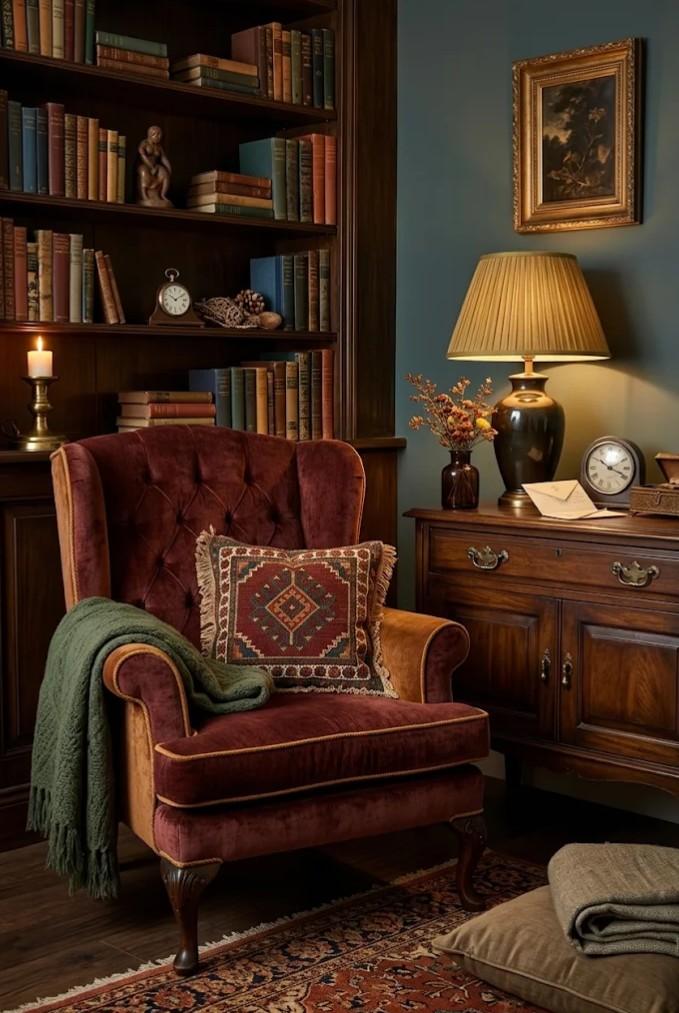
Vintage-inspired furniture can give a small reading corner instant character.
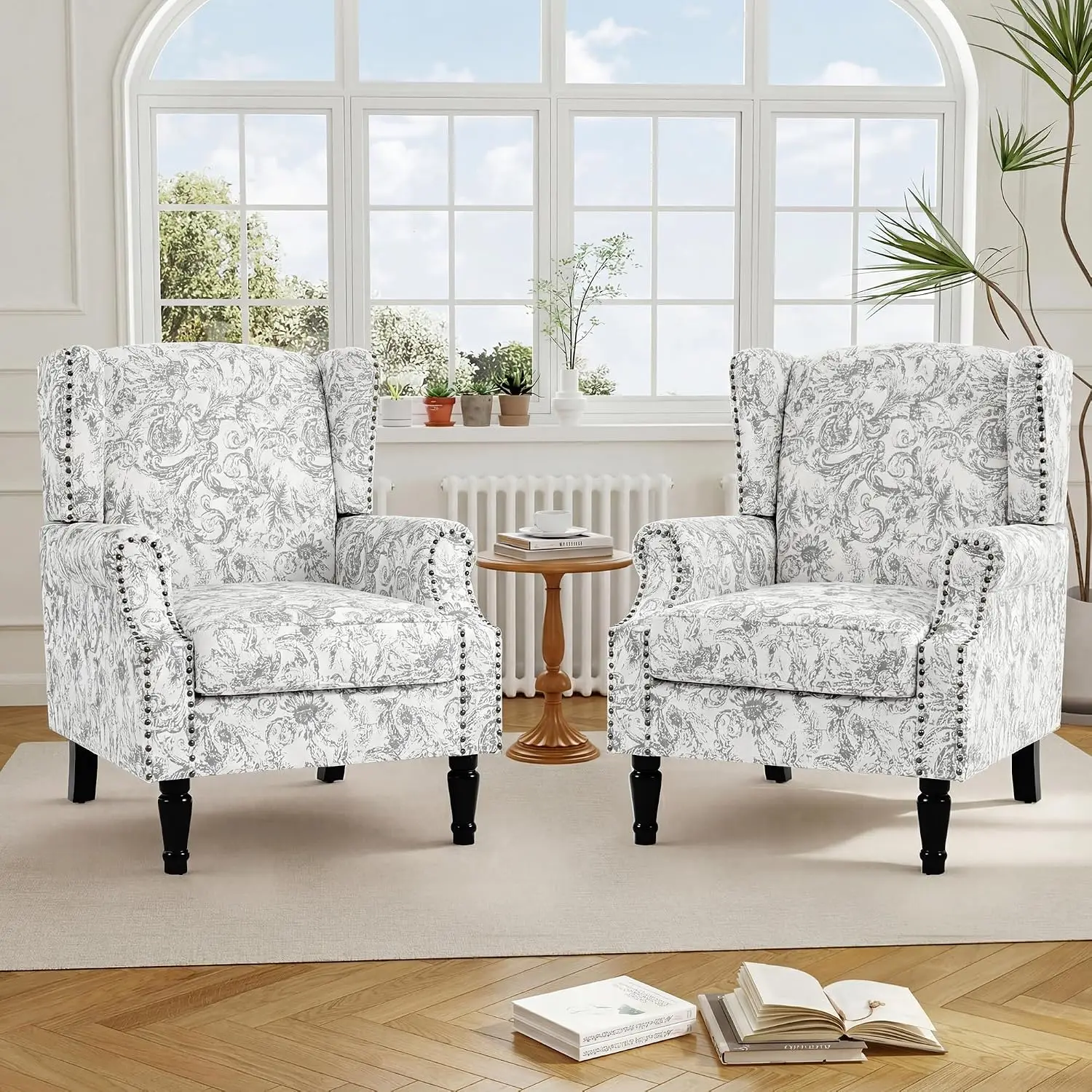
Look for a compact tufted armchair, a wooden accent chair with cushions, or an upholstered chair with gently curved arms.
Pair it with a small antique-style side table and a warm brass lamp.
A patterned rug and framed botanical prints can complete the nostalgic look.
You don’t have to fill the corner with antique pieces. One distinctive chair is often enough to establish the style.
Styling tip: Combine faded floral patterns, warm wood finishes, and soft cream textiles for a charming cottage-inspired retreat.
14. Make a Reading Nook With Floating Shelves
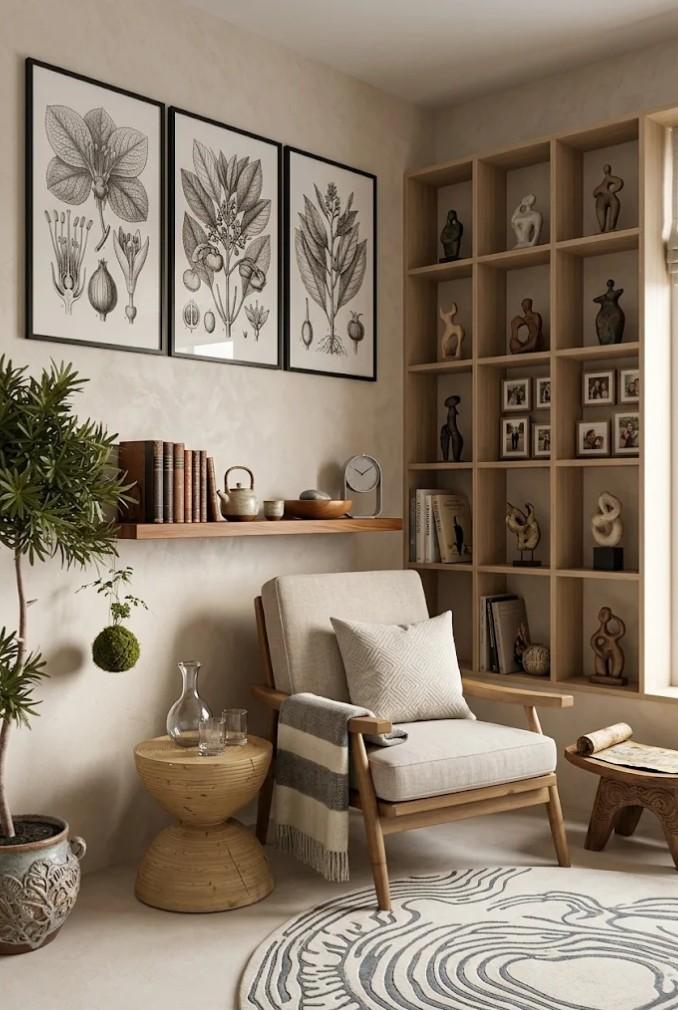
When floor space is limited, using the wall above or beside your reading chair is a smart solution.
Install a few floating shelves to hold books, small framed prints, and lightweight accessories.
A narrow accent chair or compact floor seat can fit underneath the shelves.
Choose shelves that match the surrounding furniture to keep the design cohesive.
Avoid placing heavy items directly above your head, and use appropriate wall anchors.
Small-space tip: Arrange books horizontally and vertically, but leave some empty space so the shelves don’t look overcrowded.
15. Create a Cozy Reading Nook With a Curtain Canopy
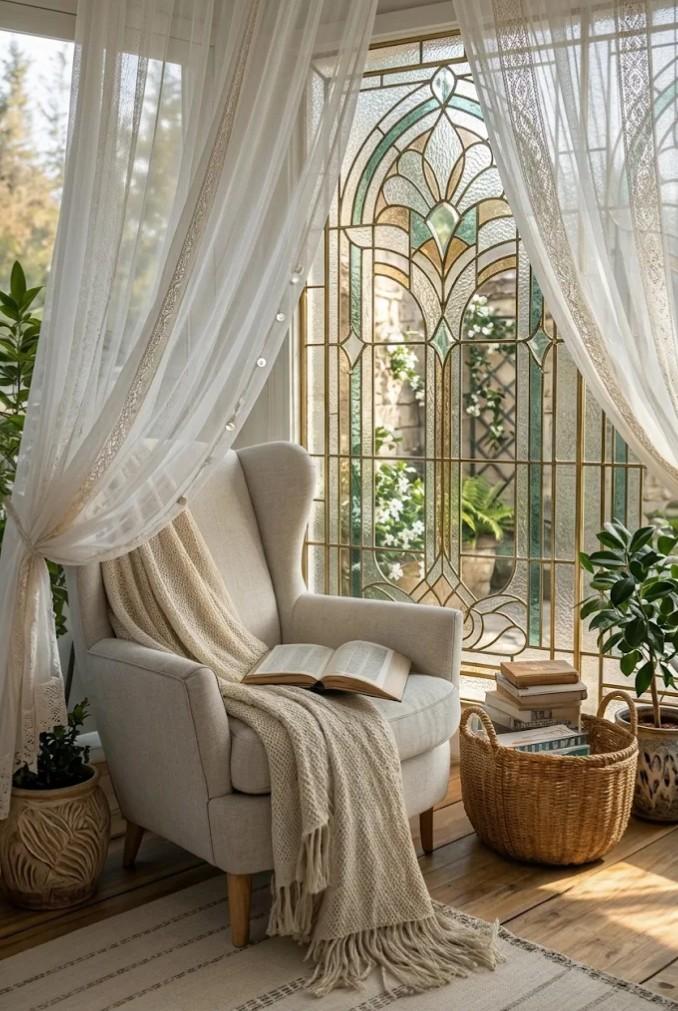
A curtain canopy can make an ordinary bedroom or living room corner feel like a secluded little escape.
Install a ceiling-mounted curtain track or suitable wall-mounted rod around a designated seating area.
Use lightweight linen or sheer curtains to create a soft, airy effect.
Inside the nook, add a comfortable chair, cushion, blanket, and a reading light.
The fabric creates a visual boundary without the need for permanent walls.
This approach works especially well in bedrooms and other spaces where privacy is limited.
Styling tip: Choose ivory or warm beige curtains for a romantic cottagecore feel, or muted green fabric for a cozy nature-inspired look.
Keep fabric away from hot bulbs and heaters, and ensure the curtain does not obstruct circulation or exits.
How to Make a Small Reading Nook Feel Cozy
Creating a beautiful reading nook isn’t only about choosing the right location. The smaller details have a major influence on how comfortable and inviting the space feels.
Choose Comfortable Seating
Your reading chair should provide enough support for longer reading sessions.
If you prefer curling up with a book, look for a seat with a slightly deeper cushion and supportive backrest.
For narrow corners, a compact accent chair may be a better choice than an oversized armchair.
Consider adding a small lumbar pillow for extra comfort.
Use Warm, Focused Lighting
Lighting is essential for a comfortable reading nook.
Natural daylight works beautifully during the afternoon, but you’ll also need sufficient lighting for evenings.
An adjustable floor lamp, wall-mounted reading light, or compact table lamp can help illuminate your book without brightening the entire room.
Choose a bulb that provides clear, comfortable light without creating glare on the page.
Layer Soft Textures
A combination of different fabrics can make even the simplest corner feel inviting.
Try pairing a linen cushion with a chunky knit throw or a soft wool-look blanket.
A small area rug can add warmth and visually define the reading space.
Limit the number of accessories to avoid making the nook feel cramped.
Keep Books Close and Organized
Easy access to your favorite books makes a reading nook more practical.
A narrow bookshelf, decorative basket, or floating shelf can provide enough storage without using valuable floor space.
Keep your current reads nearby and store the rest of your collection elsewhere if needed.
Add Personal Details
A small framed picture, favorite houseplant, or decorative object can make your nook feel more personal.
Choose items that genuinely contribute to the atmosphere instead of filling every available surface.
The most inviting reading corners strike a balance between personality and simplicity.
Best Furniture for a Small Reading Nook
Choosing appropriately sized furniture can make a significant difference in a compact space.
| Furniture | Why It Works |
|---|---|
| Compact accent chair | Comfortable seating without excessive bulk |
| Storage bench | Combines seating and hidden storage |
| Floating shelves | Stores books while preserving floor space |
| Slim floor lamp | Provides focused light in narrow corners |
| Small round side table | Convenient surface with a compact footprint |
| Foldable floor chair | Flexible seating for multipurpose rooms |
| Narrow bookcase | Maximizes vertical storage |
Before purchasing anything, measure your available floor area and account for doors, drawers, and walking paths.
A simple floor plan can prevent you from choosing furniture that looks beautiful online but overwhelms the actual room.
Common Reading Nook Mistakes to Avoid
Even a beautifully decorated reading nook can become uncomfortable if the design overlooks practical details.
Choosing an oversized chair: A large chair may block walkways or make a small room appear crowded. Always measure before buying.
Relying only on decorative lighting: Fairy lights and soft ambient lamps can create atmosphere, but a focused reading lamp is still important.
Using too many accessories: Excess pillows, baskets, and decorative objects reduce usable space.
Forgetting a place for drinks: A small side table, sturdy shelf, or nearby surface can make extended reading sessions much more convenient.
Ignoring comfort: Choose seating based on how it supports your body, not only how it looks in photographs.
Blocking storage or exits: Make sure doors, drawers, windows, and walkways remain accessible.
Final Thoughts
A comfortable reading space doesn’t have to be large or expensive. With thoughtful furniture choices, cozy textures, practical lighting, and clever storage, even the smallest corner can become a personal retreat.
Whether you prefer a sunlit window seat, a minimalist floor cushion, a vintage armchair, or a tiny bedroom reading corner, these cozy reading nook ideas for small spaces offer inspiration for homes of every size.
Start with a comfortable place to sit, add your favorite book, and build the rest of your cozy corner around what makes you feel most relaxed.
Frequently Asked Questions
How do you create a reading nook in a small room?
Choose an unused corner, add comfortable seating, and provide a focused reading light. A slim side table, bookshelf, or storage basket will make the area more functional. Keep decorative accessories minimal to avoid overcrowding.
What is the best chair for a small reading nook?
A compact upholstered armchair with supportive cushions is a practical choice. For extremely limited spaces, consider a narrow accent chair, foldable floor chair, or storage bench.
Can you make a reading nook without a window?
Yes. A reading nook doesn’t require natural light. Use an adjustable reading lamp to illuminate your book and add warm ambient lighting to create an inviting atmosphere.
How can I make a reading nook cozy on a budget?
Start with a chair you already own and add a blanket, pillow, and reading lamp. Repurpose a small stool as a side table and use a basket for book storage. Secondhand furniture and existing home accessories can help minimize costs.
Where should a reading nook go in a bedroom?
An empty corner near a window is often ideal, but a quiet space beside a dresser or bookshelf can also work. Choose a location that doesn’t block access to closets, drawers, or walkways.
How do I decorate a reading nook without making it cluttered?
Use a limited color palette, choose furniture with a small footprint, and prioritize practical accessories. A comfortable chair, one lamp, a blanket, and compact book storage are usually enough.
What lighting is best for a cozy reading corner?
An adjustable floor lamp or wall-mounted reading light is ideal because it directs illumination toward your book. Combine focused task lighting with softer ambient lighting to create a relaxing mood without sacrificing visibility.