
Wall Decor Ideas to Transform Blank Walls and Enhance Your Space
A blank wall can make even a beautifully furnished room feel unfinished. The good news? You don’t need an expensive renovation or a professional interior designer to give those empty spaces personality.
The right wall decor ideas can bring warmth, texture, color, and character into your home. Whether you’re decorating a small apartment, refreshing your living room, or making your bedroom feel cozier, even a simple change can make a noticeable difference.

From oversized artwork to floating shelves and creative gallery walls, these 10 ideas will help you turn plain walls into beautiful features that feel personal and inviting.
1. Create a Gallery Wall With Personal Artwork
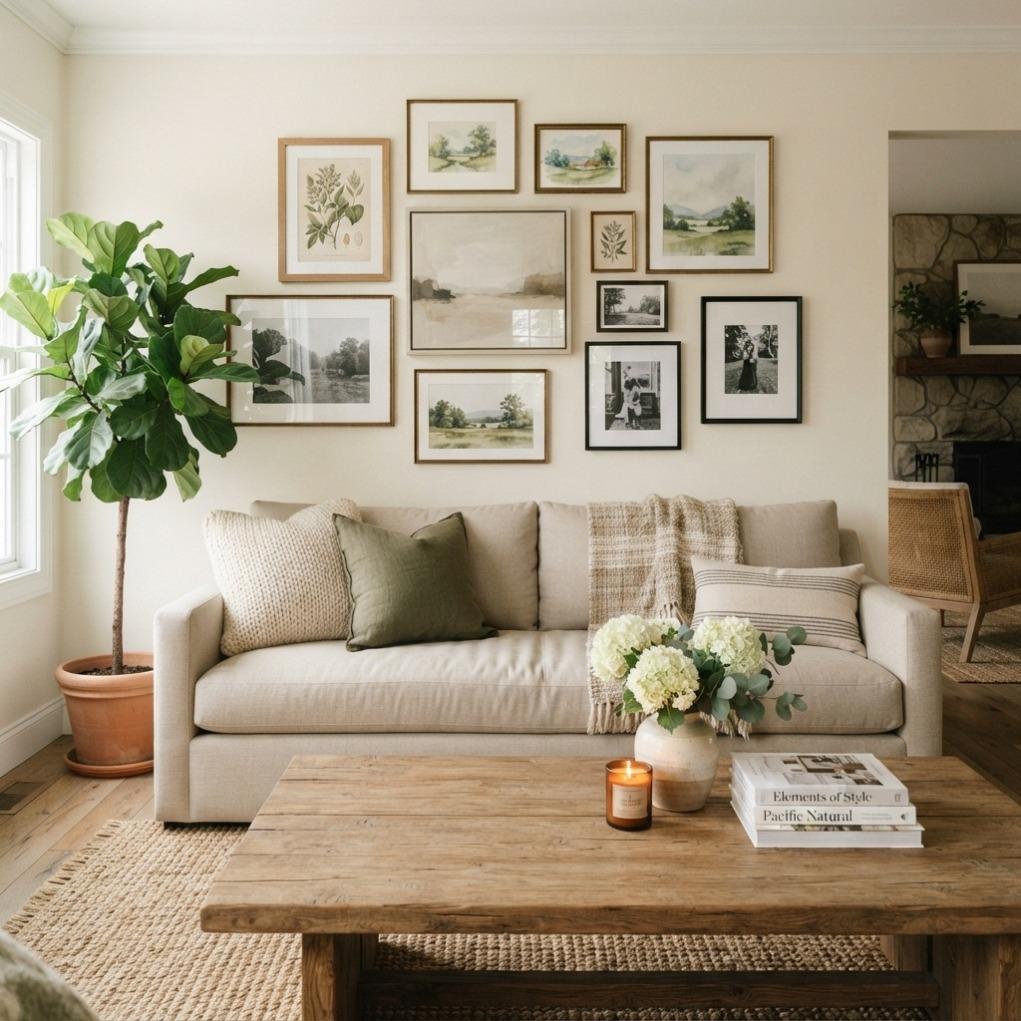
A gallery wall is one of the easiest ways to transform a large blank space into something meaningful. Instead of hanging one picture, combine several pieces of art, photographs, or prints to create a collected look.
Mixing frame sizes adds visual interest, while keeping a consistent color palette helps everything feel connected.
For a timeless arrangement, try natural wood frames, black-and-white photography, and muted botanical prints. If you prefer a more playful style, combine colorful artwork with vintage illustrations and abstract designs.
Styling tip: Arrange your frames on the floor before hanging them. Start with the largest piece, then build outward while keeping roughly 2–3 inches between frames.
A gallery wall works especially well above a sofa, hallway console, or bedroom dresser.
2. Hang an Oversized Statement Art Piece
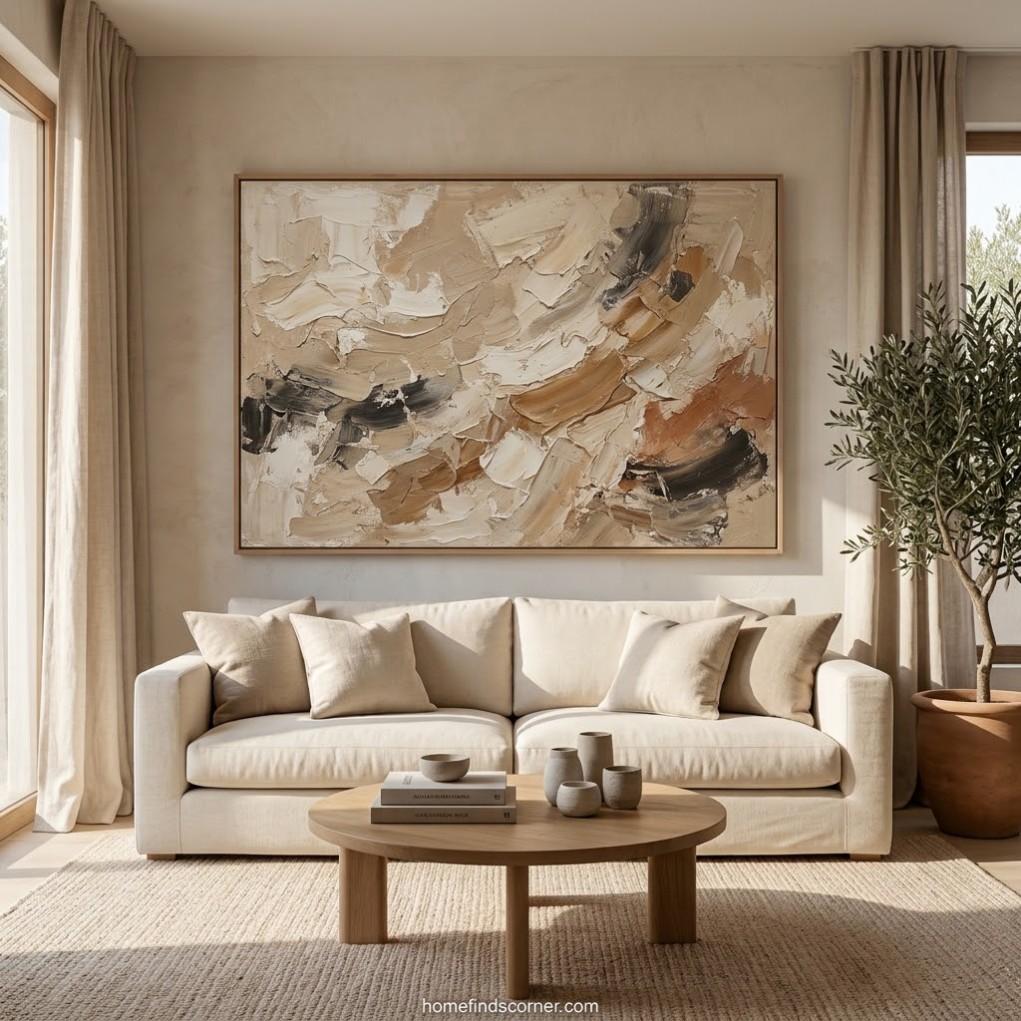
Sometimes, one beautiful piece of artwork makes a stronger impression than an entire collection.
Oversized wall art creates an immediate focal point and makes a room feel intentional. It’s particularly effective in living rooms, dining areas, and bedrooms with wide empty walls.
Choose artwork that complements the colors already present in your space. A neutral abstract canvas adds softness, while a colorful painting introduces energy and contrast.
For a relaxed, modern look, consider textured canvas art in cream, taupe, or earthy brown.
Styling tip: When hanging artwork above furniture, aim for a piece approximately two-thirds to three-quarters of the furniture’s width. This usually creates a balanced arrangement without overwhelming the room.
3. Add Floating Shelves for Stylish Storage
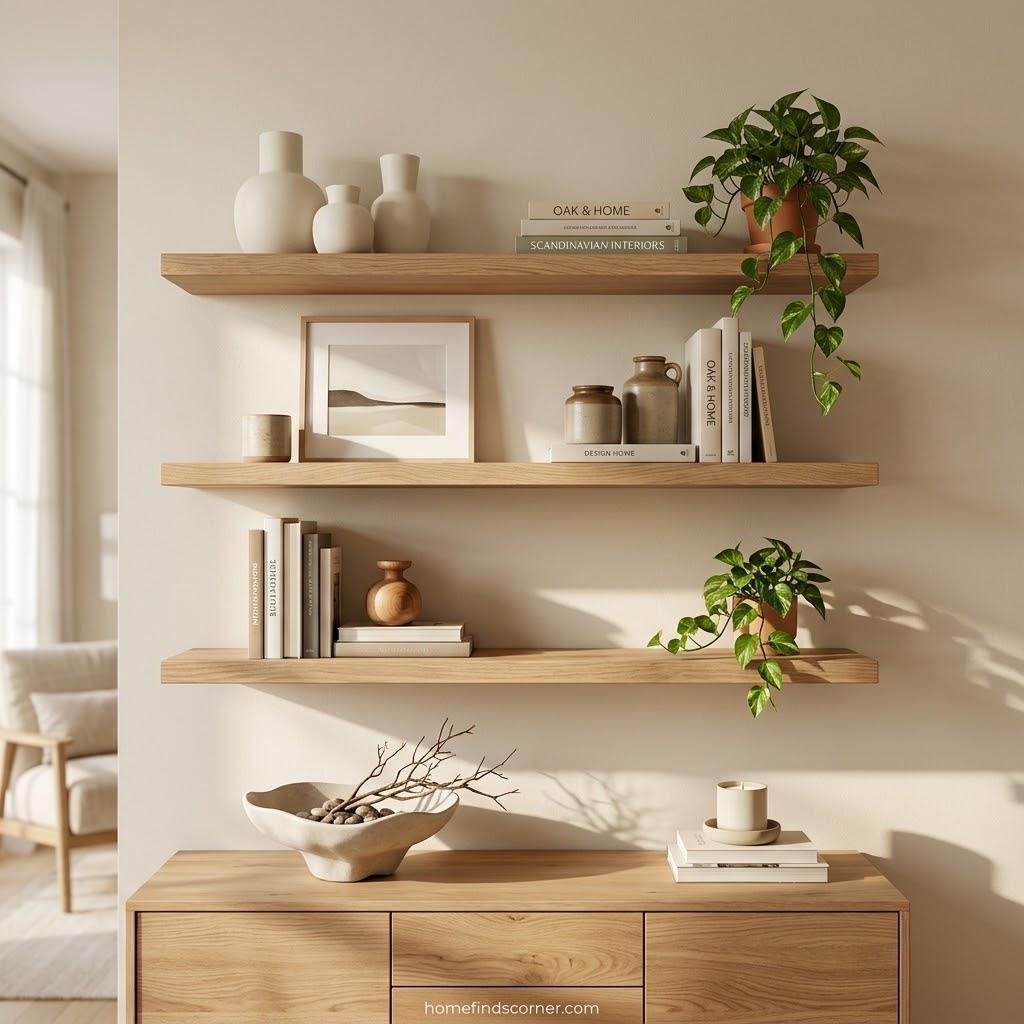
Floating shelves combine decoration with everyday functionality, making them a smart option for small homes.
They provide a place to display favorite books, decorative ceramics, small plants, framed photographs, and meaningful keepsakes.
Natural wood shelves add warmth to white walls, while slim black shelves create a modern contrast.
The secret to beautiful shelf styling is leaving some breathing room. Rather than filling every inch, group objects in different heights and shapes.
Try combining a stack of books, a sculptural vase, and a small framed print. Repeat a few colors across the shelves for a cohesive finish.
Styling tip: Use two or three shelves of the same finish, and secure them with hardware appropriate for your wall type and the weight of the items displayed.
4. Use a Large Decorative Mirror
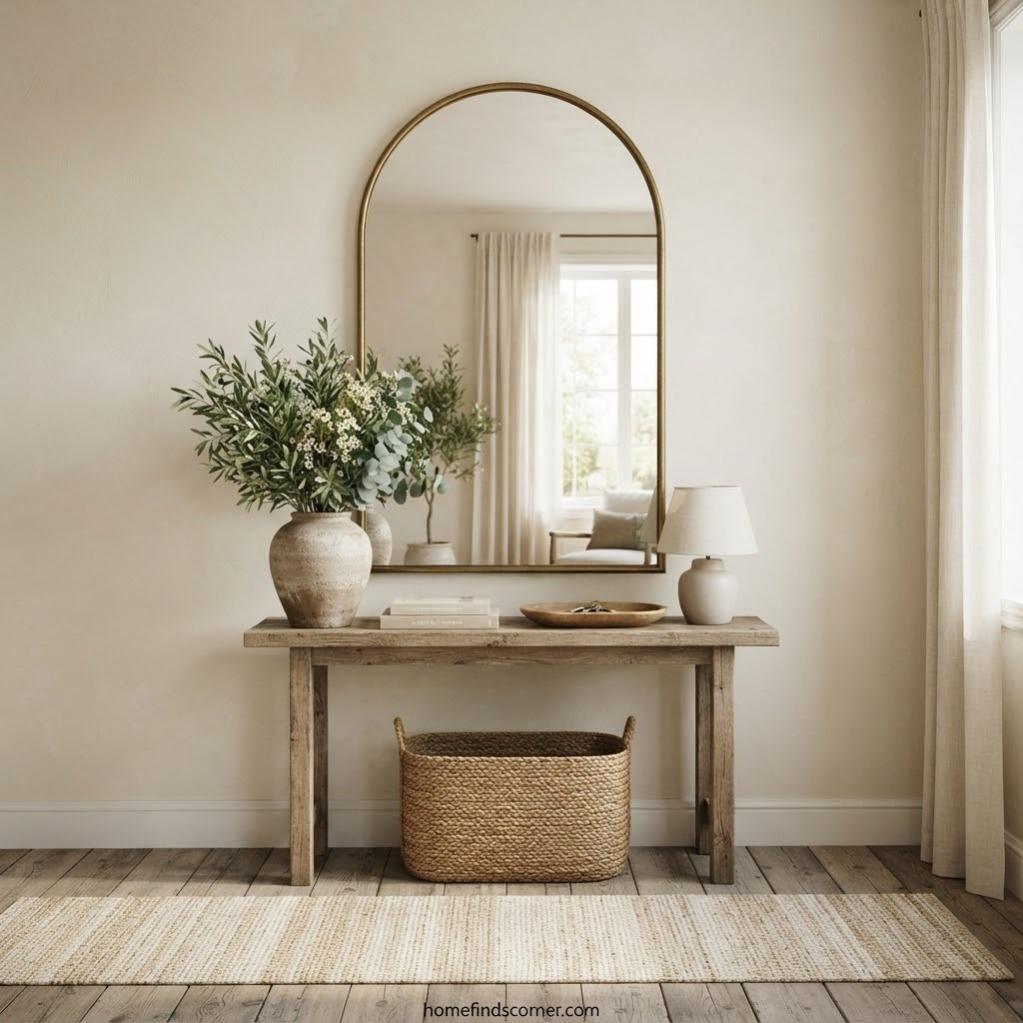
A decorative mirror is a practical way to make a blank wall feel more interesting while helping the room appear brighter.
Mirrors reflect available light and create a sense of visual depth, making them especially useful in compact living rooms, narrow entryways, and darker corners.
An arched mirror brings a soft architectural element into the space. Round mirrors create a gentle, balanced look, while rectangular designs feel classic and structured.
For a cozy home, consider a mirror with a wooden, antique brass, or softly textured frame.
Styling tip: Position your mirror where it reflects a window, greenery, or an attractive part of the room rather than an area of clutter.
5. Introduce Texture With Woven Wall Hangings
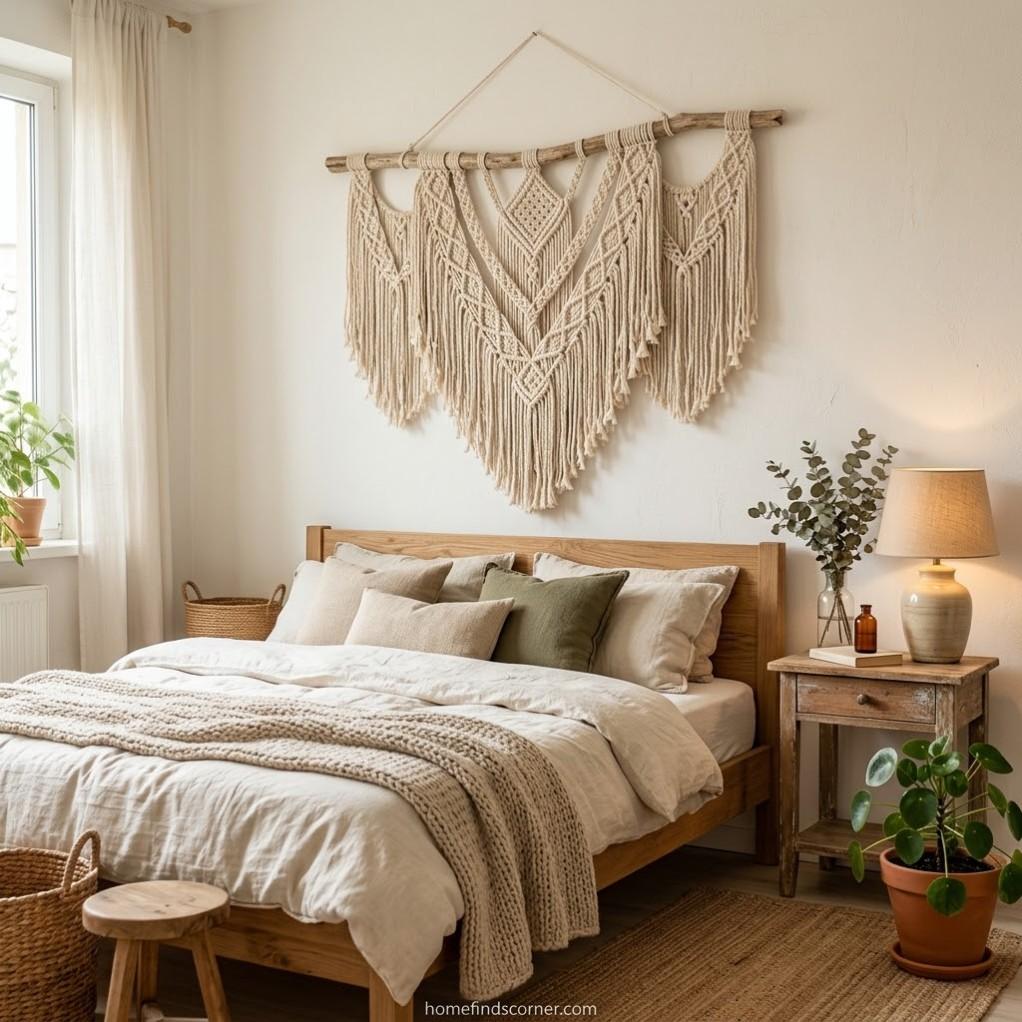
Not every wall needs framed artwork. Textile wall hangings introduce softness and texture that traditional prints cannot always provide.
Macramé pieces, woven tapestries, and fabric art are particularly effective in bedrooms, reading corners, and relaxed living spaces.
Their natural materials work beautifully with Scandinavian, bohemian, farmhouse, and organic modern interiors.
Choose neutral cotton or wool for a subtle effect, or select a patterned textile to introduce color.
Wall hangings can also help soften the appearance of a room filled with hard surfaces such as glass, tile, and metal.
Styling tip: Hang a medium or large textile above a bed or reading chair, and pair it with soft pillows and natural wood accents for a layered, inviting look.
6. Install Decorative Wall Molding
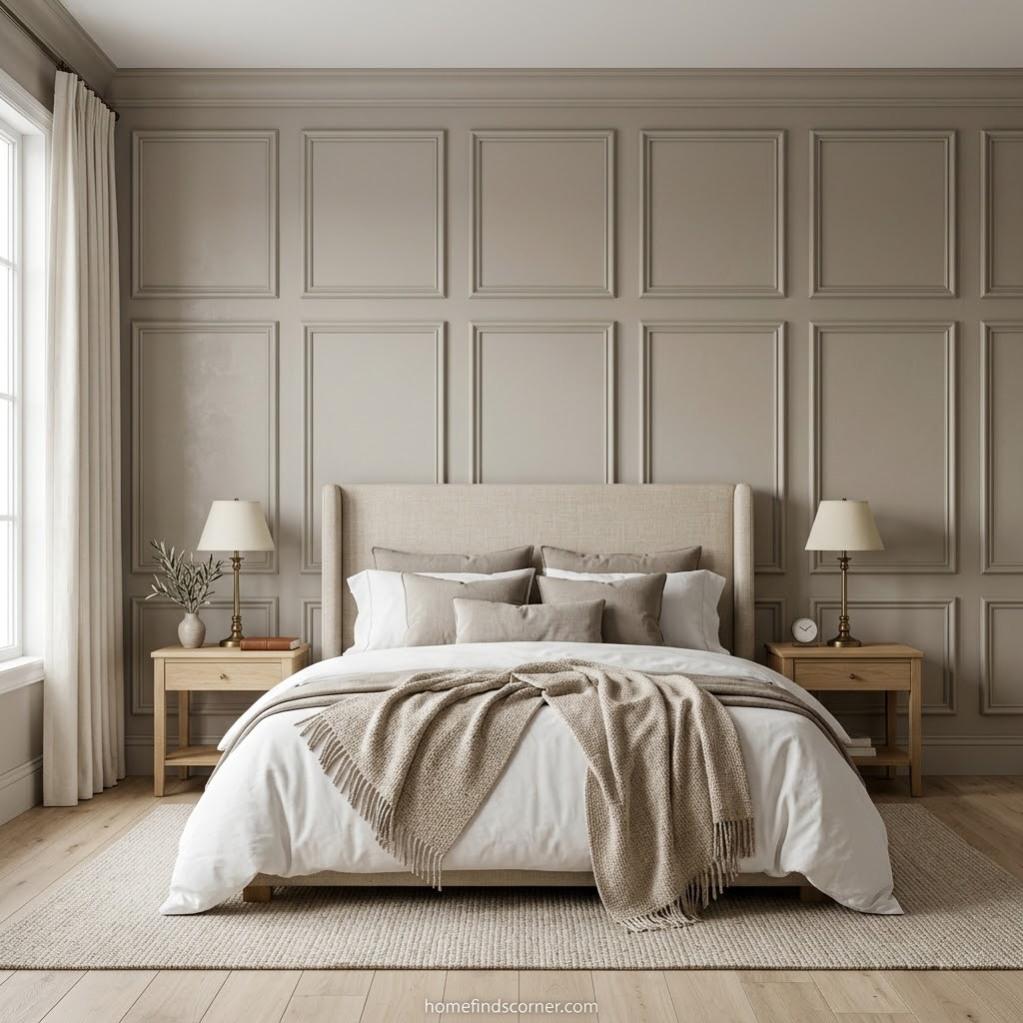
Decorative molding can transform a plain wall into an architectural feature without requiring a complete room makeover.
Picture-frame molding, board-and-batten detailing, and simple wall panels add depth and structure.
For a sophisticated look, paint the molding the same color as the wall. This creates subtle shadows and dimension without making the space feel busy.
A warm white finish feels classic, while sage green, dusty blue, or muted taupe can create a more dramatic accent.
This idea works particularly well behind beds, in dining rooms, or along entryway walls.
Styling tip: Sketch your panel layout and measure carefully before installing anything. Consistent spacing is essential for a polished result.
If you’re renting, consider removable decorative alternatives, but check that their adhesive is suitable for your wall finish.
7. Display Decorative Plates or Sculptural Objects
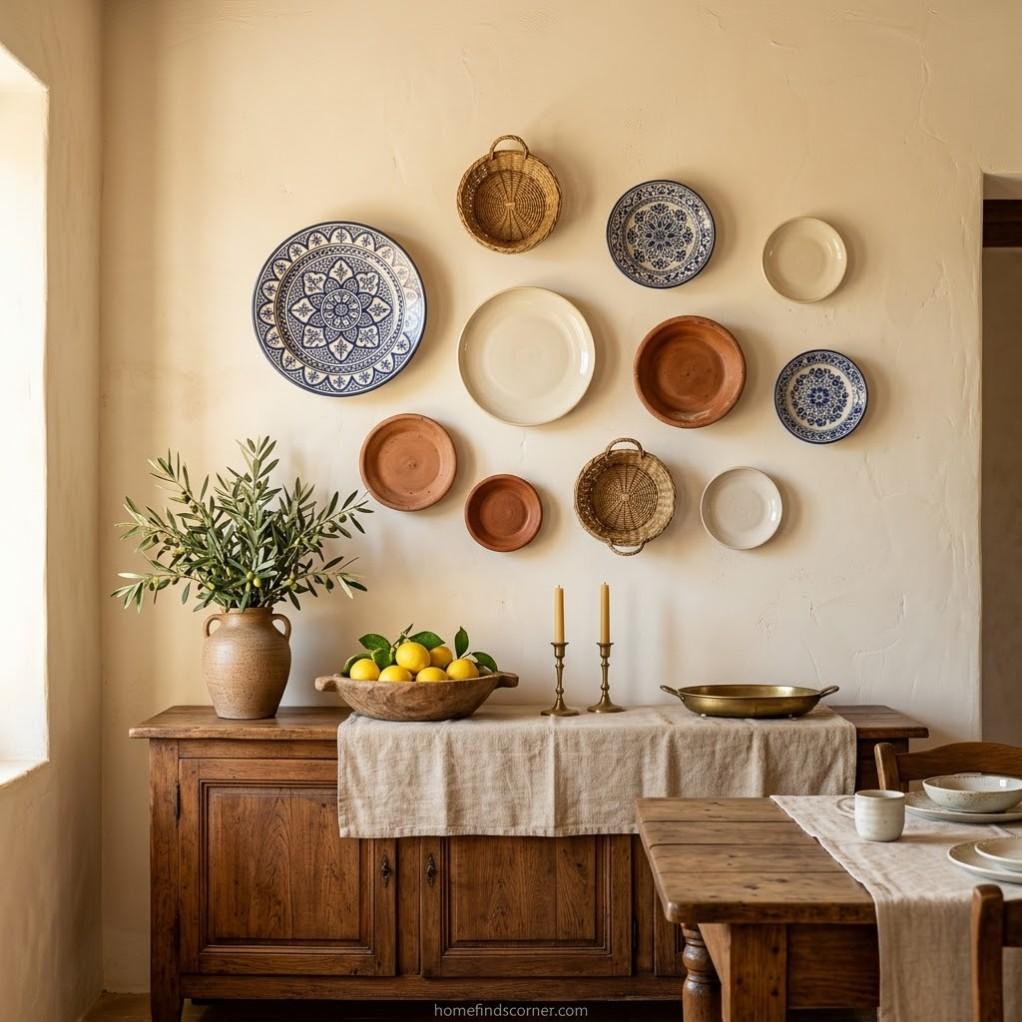
For something different from traditional framed prints, consider turning everyday decorative objects into wall art.
Ceramic plates, woven baskets, wooden carvings, and lightweight sculptural pieces can create a distinctive arrangement.
A collection of vintage-inspired plates brings charm to a dining room, while woven baskets create a warm, natural feature in a bohemian living space.
You can arrange objects symmetrically for a traditional look or use a more organic composition for a relaxed atmosphere.
The most interesting displays often mix different sizes while maintaining a consistent material or color theme.
Styling tip: Begin with one larger piece and arrange smaller objects around it. Use proper plate hangers or secure wall mounts rather than relying on ordinary adhesive tape.
8. Create an Accent Wall With Peel-and-Stick Wallpaper
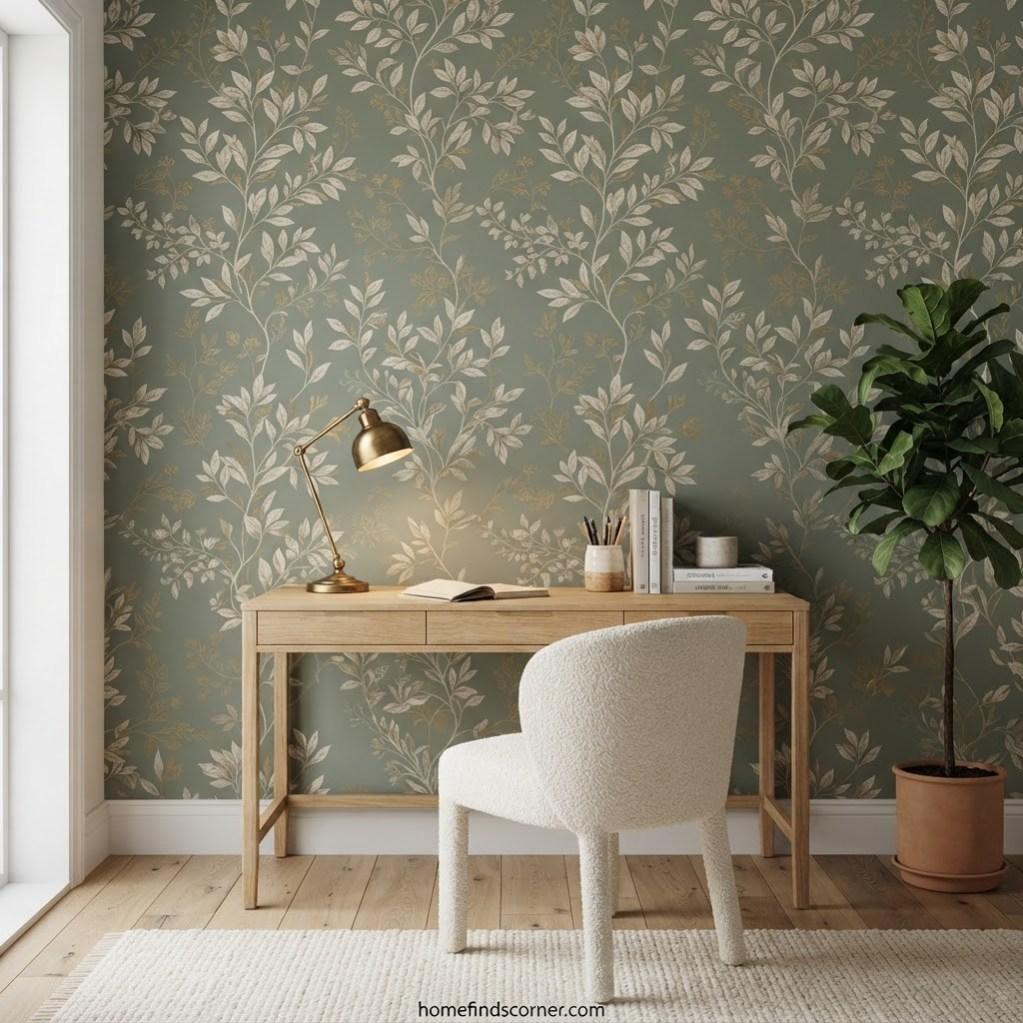
Wallpaper is an effective way to bring pattern and personality to a blank wall.
Peel-and-stick designs are particularly appealing for renters or anyone who enjoys changing their decor, although removability depends on the product and the condition of the wall.
A subtle botanical print adds softness to a bedroom, while geometric patterns create a modern feel in a home office.
For a timeless look, choose delicate stripes, textured linen-inspired finishes, or understated floral patterns.
Rather than covering every wall, focus on one feature area, such as behind a bed, desk, or sofa.
Styling tip: Order a sample before committing to a full wall. Test how the pattern looks in both natural and artificial light, and check the manufacturer’s surface preparation and removal instructions.
9. Add Wall Sconces for Warm Lighting
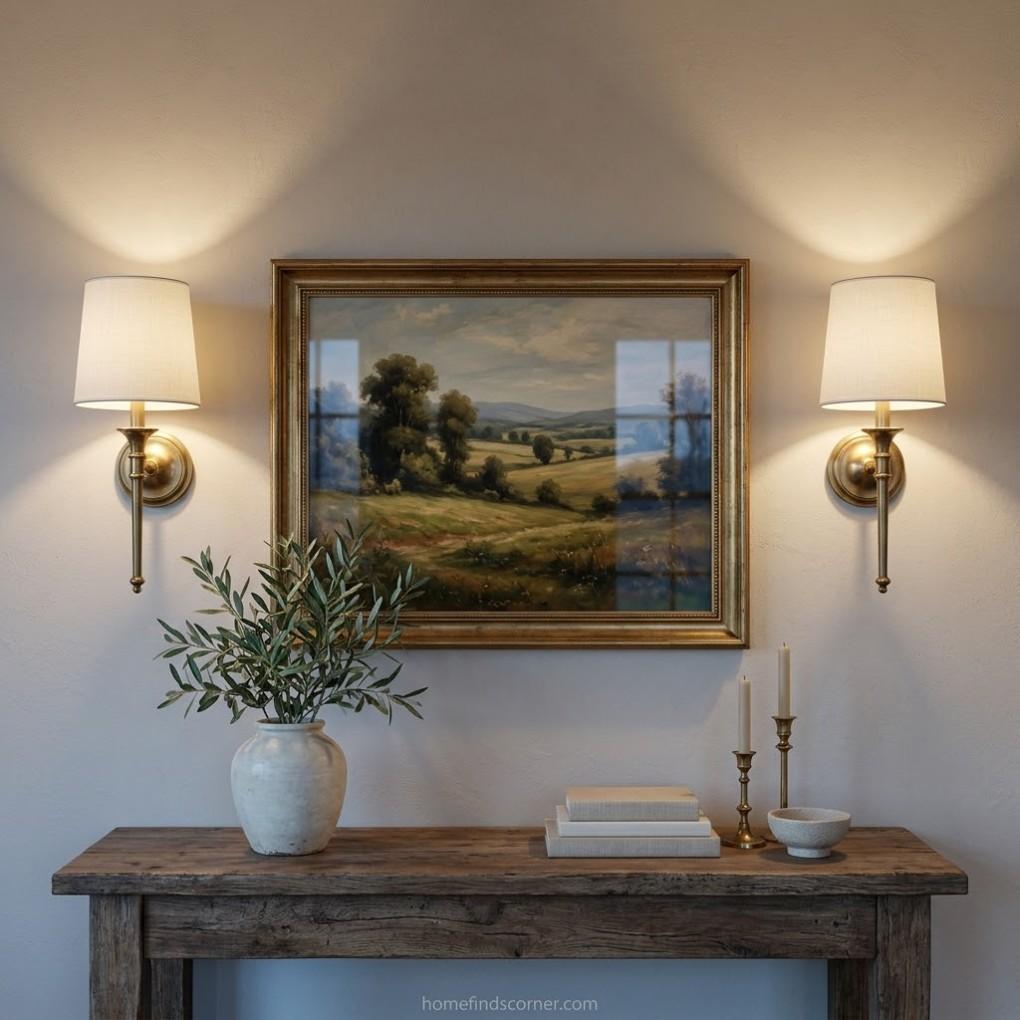
Lighting can be decorative in its own right, especially when a wall feels empty or lacks visual interest.
Wall sconces add architectural character while providing a warm layer of illumination.
Brass fixtures suit traditional and modern interiors, while matte black designs feel contemporary. Fabric or frosted glass shades create a softer appearance.
Install a pair of sconces beside a large artwork, above bedside tables, or along a hallway to create a balanced arrangement.
For spaces where electrical work isn’t practical, rechargeable or plug-in sconces can offer a flexible alternative.
Styling tip: Choose warm white lighting, around 2700K, for a comfortable evening atmosphere. Follow the fixture’s installation requirements and use a qualified electrician when wiring is needed.
10. Bring Life to Your Walls With Plants
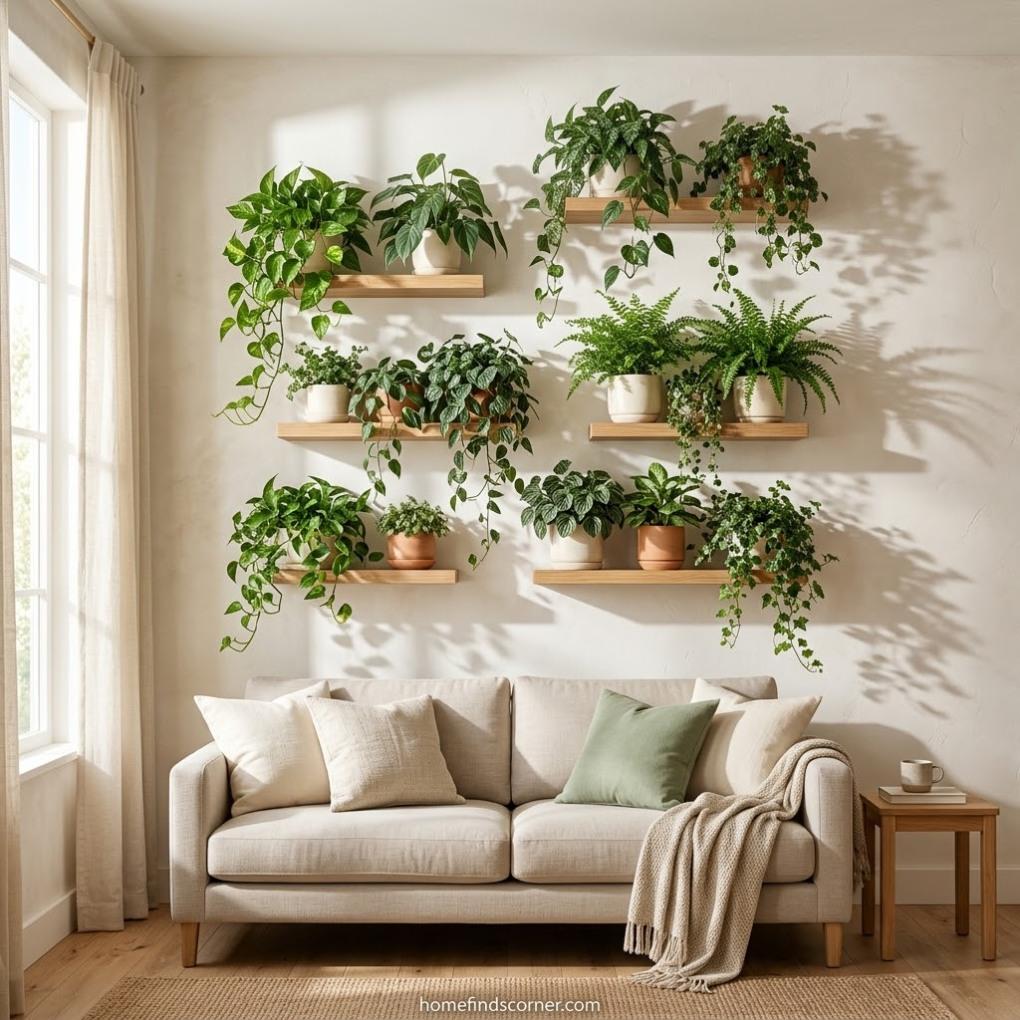
Plants are a wonderful way to introduce color, movement, and an organic feeling to an otherwise plain wall.
Wall-mounted planters, hanging pots, and narrow plant shelves allow you to display greenery without taking up valuable floor space.
Trailing plants such as pothos can create a beautiful cascading effect, while compact plants in matching containers offer a more structured look.
For a modern aesthetic, choose simple ceramic planters in white, beige, or terracotta.
If your room receives limited natural light, select plants suited to those conditions or use realistic artificial greenery.
Styling tip: Group planters at slightly different heights and make sure water cannot leak onto your wall. Use secure mounting hardware and consider plant toxicity if pets or young children share your home.
How to Choose the Right Wall Decor for Your Space
Before buying anything, consider the size of your wall, the furniture beneath it, and the overall mood you want to create.
A beautiful piece of decor can still look out of place if its proportions, colors, or positioning don’t suit the room.
| Room | Recommended Wall Decor | Desired Effect |
|---|---|---|
| Living room | Oversized art, gallery walls | Welcoming focal point |
| Bedroom | Textile art, wall molding | Soft, relaxing atmosphere |
| Entryway | Decorative mirror, narrow shelves | Bright, functional space |
| Dining room | Ceramic plates, statement art | Character and visual interest |
| Home office | Wallpaper, floating shelves | Personality and organization |
| Hallway | Framed prints, wall sconces | Depth and warmth |
Consider Scale and Placement
One of the most common decorating mistakes is choosing artwork that is too small for the surrounding furniture.
For a wide sofa, a substantial artwork or carefully arranged collection generally looks more balanced than a tiny frame.
As a starting point, many designers recommend placing the center of standalone artwork around 57 inches from the floor, adjusting for furniture and room layout.
Coordinate Colors and Materials
Look at the colors already present in your furniture, curtains, rugs, and decorative accessories.
Repeating two or three shades helps wall decor feel connected to the rest of the room.
For example, a living room with oak furniture, cream upholstery, and sage green pillows could feature botanical prints, natural wood frames, and ceramic accents in similar tones.
You don’t need every item to match perfectly. A little contrast can make the arrangement more interesting.
Mix Decorative and Functional Pieces
The best wall decorating ideas often serve more than one purpose.
A mirror can reflect light, floating shelves offer storage, and sconces provide evening illumination.
Combining practical pieces with artwork is especially helpful in apartments where every square foot matters.
Common Wall Decorating Mistakes to Avoid
Even attractive accessories can make a space feel cluttered if they’re arranged without a plan.
Avoid these common mistakes:
- Hanging artwork too high: Consider the relationship between the artwork and the furniture below it.
- Choosing pieces that are too small: Match the scale of the decoration to the wall and nearby furniture.
- Overcrowding every wall: Leave some empty space to give the room visual balance.
- Ignoring lighting: Check how artwork and decorative textures look throughout the day.
- Mixing too many competing styles: Use a shared color, material, or theme to create consistency.
- Using unsuitable mounting hardware: Select appropriate anchors and supports for your wall construction.
Remember, you don’t need to decorate every available surface. Sometimes, one carefully selected piece makes a room feel more complete than a collection of unrelated accessories.
Final Thoughts
Transforming an empty wall doesn’t have to be complicated or expensive.
Whether you prefer a personalized gallery wall, a statement mirror, floating shelves, or textured wall hangings, the best wall decor ideas are the ones that reflect your personality and complement the way you live.
Start with one wall, choose a clear focal point, and build your arrangement thoughtfully. With a little creativity, even the plainest space can become a beautiful feature of your home.
Frequently Asked Questions About Wall Decor
What is the easiest way to decorate a blank wall?
Framed artwork, decorative mirrors, and removable wall decals are among the easiest options. They require relatively little preparation and can make an immediate visual difference. Choose a piece that complements the room’s color palette and fits the available space.
How can I decorate a large blank wall on a budget?
Try printable artwork in affordable frames, a DIY gallery wall, thrifted mirrors, or handmade textile decorations. You can also create a large-scale arrangement using several smaller pieces rather than purchasing one expensive artwork.
What wall decor makes a small room look bigger?
Large mirrors, light-colored artwork, and simple arrangements can help a small room feel more open. Avoid filling every wall with small decorative objects. A few well-scaled pieces usually create a calmer appearance.
How do I decorate a wall without drilling holes?
Consider removable adhesive hooks rated for the item’s weight, peel-and-stick wallpaper, lightweight decorative prints, or artwork displayed on furniture. Always check the product’s compatibility with your wall surface, especially in rental homes.
Should all wall decor match?
No. Mixing materials, frames, and artistic styles can create a more personal interior. However, repeating a few colors or textures helps the overall arrangement feel cohesive rather than random.
How high should wall art be hung?
For standalone artwork, a common starting point is to position the center around 57–60 inches above the floor. When hanging art above furniture, adjust its placement to create a visual connection with the piece below.
What can I put on walls instead of pictures?
You can use mirrors, decorative plates, woven baskets, floating shelves, macramé, wall-mounted planters, sculptural objects, or architectural molding. These alternatives add texture and depth without relying on traditional framed artwork.
How do I make my wall decor look expensive?
Focus on thoughtful proportions, a coordinated color palette, and quality-looking finishes. Larger pieces, generous spacing, natural materials, and consistent framing often create a more refined appearance than numerous small accessories.
Explore related ideas in our organic modern decor ideas and modern home decor accessories guides.